Luxury & Prestige Brands

Where Execution Risk Destroys Meaning
In luxury and prestige brands, execution risk does not show up as technical failure.
It shows up as erosion of meaning.
Unlike mass-market businesses, luxury brands do not compete on price, speed, or feature volume. They compete on trust, coherence, and symbolic value built over time. When execution falters, the damage is subtle at first but disproportionately severe.
Once meaning is lost, it is rarely recovered.
Why Execution Risk Is Different in Luxury
Luxury brands operate inside fragile systems of perception.
Their value is not derived from efficiency alone, but from consistency, restraint, and credibility. Decisions that would be reversible in other industries often become permanent in luxury contexts.
Common characteristics include:
- Long product and brand lifecycles
- High sensitivity to inconsistency
- Global audiences with uneven cultural interpretation
- Distribution channels that amplify mistakes
- Customers who notice small deviations immediately
In this environment, execution risk compounds invisibly before it becomes public.
The Most Common Failure Modes in Prestige Brands
Across fashion, hospitality, automotive, spirits, and high-end consumer goods, the same structural failures appear.
Overextension Disguised as Growth
New lines, collaborations, markets, or channels are added without a governing logic. Each move seems rational in isolation. Together, they dilute the brand’s core signal.
Digital Systems That Ignore Brand Logic
Technology platforms are introduced to improve efficiency or scale, but they encode assumptions that conflict with how the brand creates value. Speed replaces deliberation. Metrics replace judgment.
Marketing Optimization That Undermines Meaning
Performance-driven marketing systems reward short-term engagement while quietly eroding long-term brand equity.
Vendor-Led Decision Making
Agencies, platforms, and technology partners influence critical decisions without being accountable for brand coherence over time.
Organizational Drift
As brands grow, internal teams optimize locally while losing shared understanding of what the brand stands for and what it refuses to do.
None of these failures are obvious at first. That is what makes them dangerous.
Why Luxury Brands Are Especially Vulnerable to Structural Drift
Luxury brands depend on consistency across time, geography, and touchpoints.
Execution risk increases when:
- Decision ownership is unclear
- Trade-offs are implicit rather than explicit
- Brand principles are documented but not operationalized
- New tools introduce incentives misaligned with long-term value
When these conditions exist, brands may continue to perform financially while quietly losing their distinctiveness.
By the time leadership recognizes the problem, the brand often feels “off” but cannot explain why.
What Durable Luxury Brands Do Differently
Enduring luxury brands treat execution as a matter of stewardship, not output.
They invest in:
- Clear decision rights around brand-critical choices
- Systems that encode restraint as much as ambition
- Incentives that reward long-term coherence over short-term reach
- Governance structures that slow decisions when necessary
- Early signals that detect erosion before it becomes visible externally
They understand that not every opportunity should be taken, and not every capability should be scaled.
Why Traditional Fixes Often Fail
When prestige brands struggle, the response is often tactical:
- A rebrand without structural change
- New leadership without new systems
- A platform overhaul focused on efficiency
- Increased marketing spend to compensate for lost meaning
These actions may improve surface-level performance, but they rarely address why execution drift occurred in the first place.
Brand damage is rarely caused by one bad decision. It is caused by many reasonable decisions made without a governing system.
When Luxury Brands Engage CX.dev
Luxury and prestige brands typically reach out when:
- The brand feels diluted despite strong execution
- Growth initiatives are pulling the brand in conflicting directions
- Digital platforms feel misaligned with brand values
- Internal teams disagree on what the brand should protect
- A rebrand is being considered but feels risky
These are not creative problems. They are system problems.
Conclusion: In Luxury, Meaning Is the System
Luxury brands do not fail because they stop delivering. They fail because they stop protecting what gives delivery meaning.
Execution risk in prestige environments is about whether systems reinforce judgment, restraint, and coherence over time.
Brands that endure are those that design execution systems capable of preserving meaning while navigating change.
That is the real work of stewardship.
See Related Work
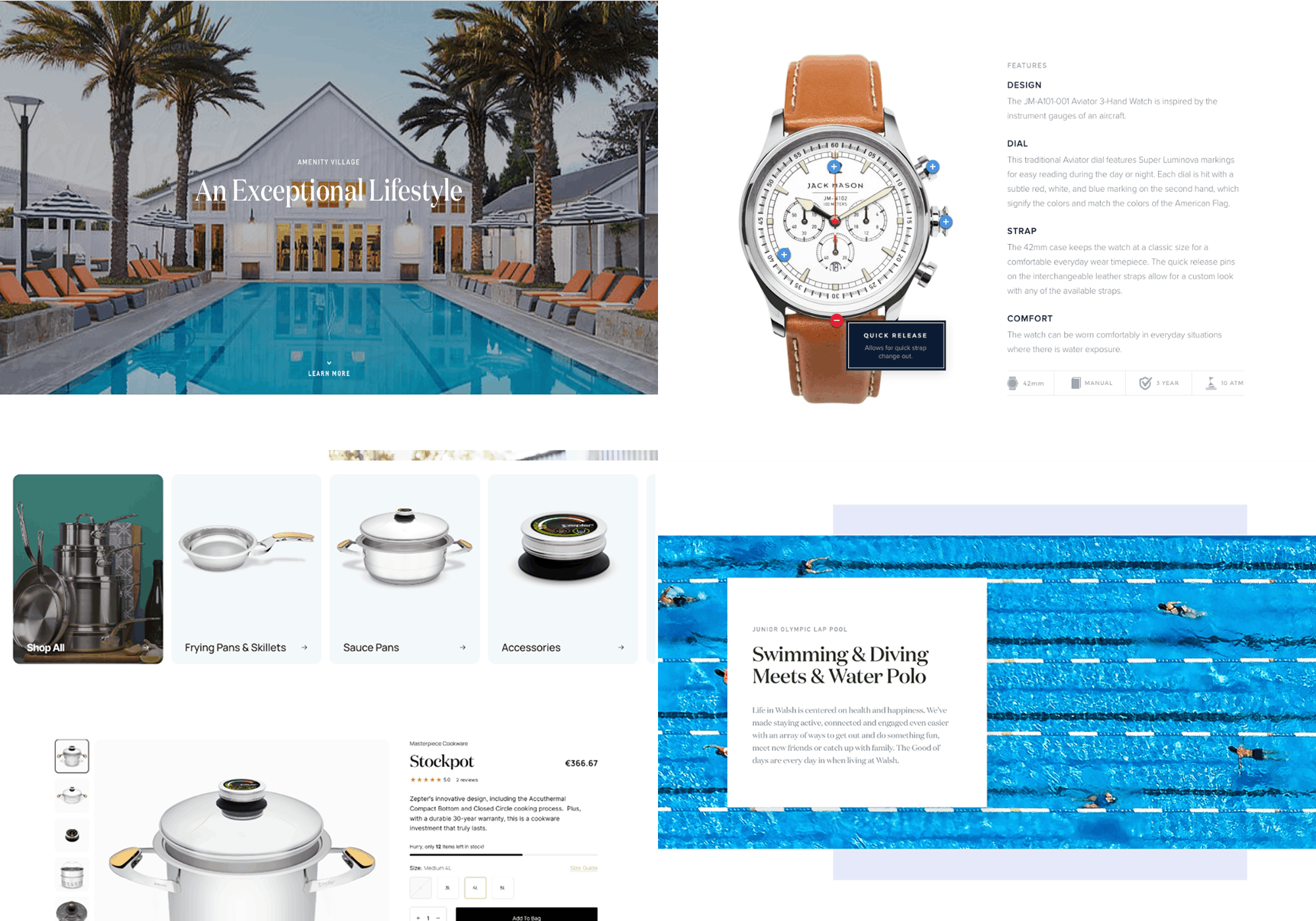
We'll show work that's relevant to the context and risks you're facing. We review together to ensure relevance and context.
Discuss Relevent Work